Phonological (sound) awareness
Sound awareness skills are important foundation skills that support speech skills
Videos shared with kind permission from South Tees NHS Speech Therapy & Worcestershire Speech and Language Therapy


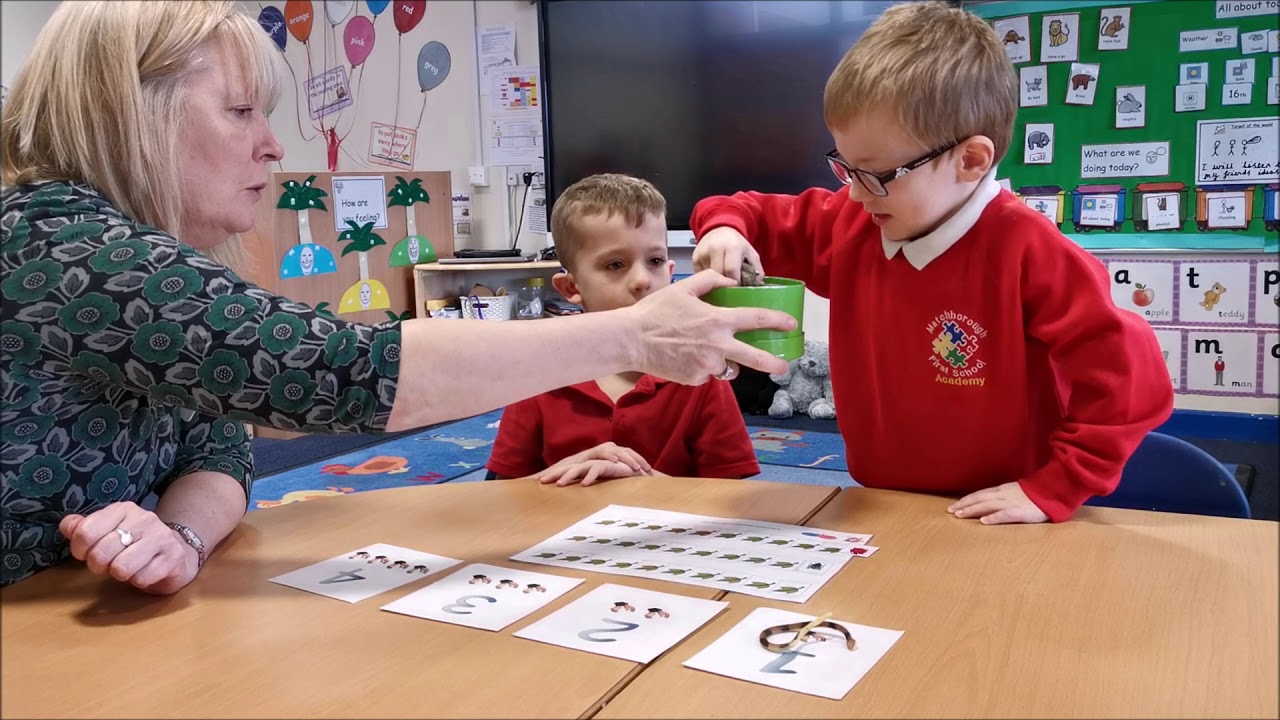


NIPA (Newcastle Intervention for Phonological Awareness) Demonstrations
(Stringer, H. (2019). Newcastle Intervention for Phonological Awareness (NIPA) (1st ed.). Newcastle University, UK.)
Videos produced by MPFT's SLT team and shared with kind permission from Professor Helen Stringer
Phonological awareness is the ability to identify words, parts of words, and manipulating these when speaking, listening and reading. Children need phonological awareness skills to build good literacy (reading and writing), speech and language skills.
The NIPA is targeted intervention that can be used with individual children or with groups of children. It breaks down phonological awareness into a sequence of developmental skills that can be assessed and targeted. Each skill is targeted individually, so children not following typical phonological awareness development can work on the specific areas they need support with.
Find the NAPA Assessment and NIPA intervention resources here:
Download the NIPA and NAPA | Newcastle Phonological Awareness | Newcastle University
Find videos to help you use the assessment here:
Training videos | Newcastle Phonological Awareness | Newcastle University
The resources for each session can be downloaded here:


